Flare Leggings on a Bike: What Actually Happens to the Hem
Quick Answer: A flare hem on a bike has three problems: it can catch in the chain or chainring, it flaps in the wind and creates drag and noise, and it wicks water off the wheel in wet weather. The chain risk is the one that matters. The workable versions are a hem that clears the crank entirely, an ankle strap or clip on the drive side, or a boot that the hem sits over rather than beside. Everything else is comfort.
The hem looked fine standing next to the bike.
On the second pedal stroke it is somewhere near the chainring, and that is a genuinely bad place for fabric to be.
Here is what actually happens, and what works.
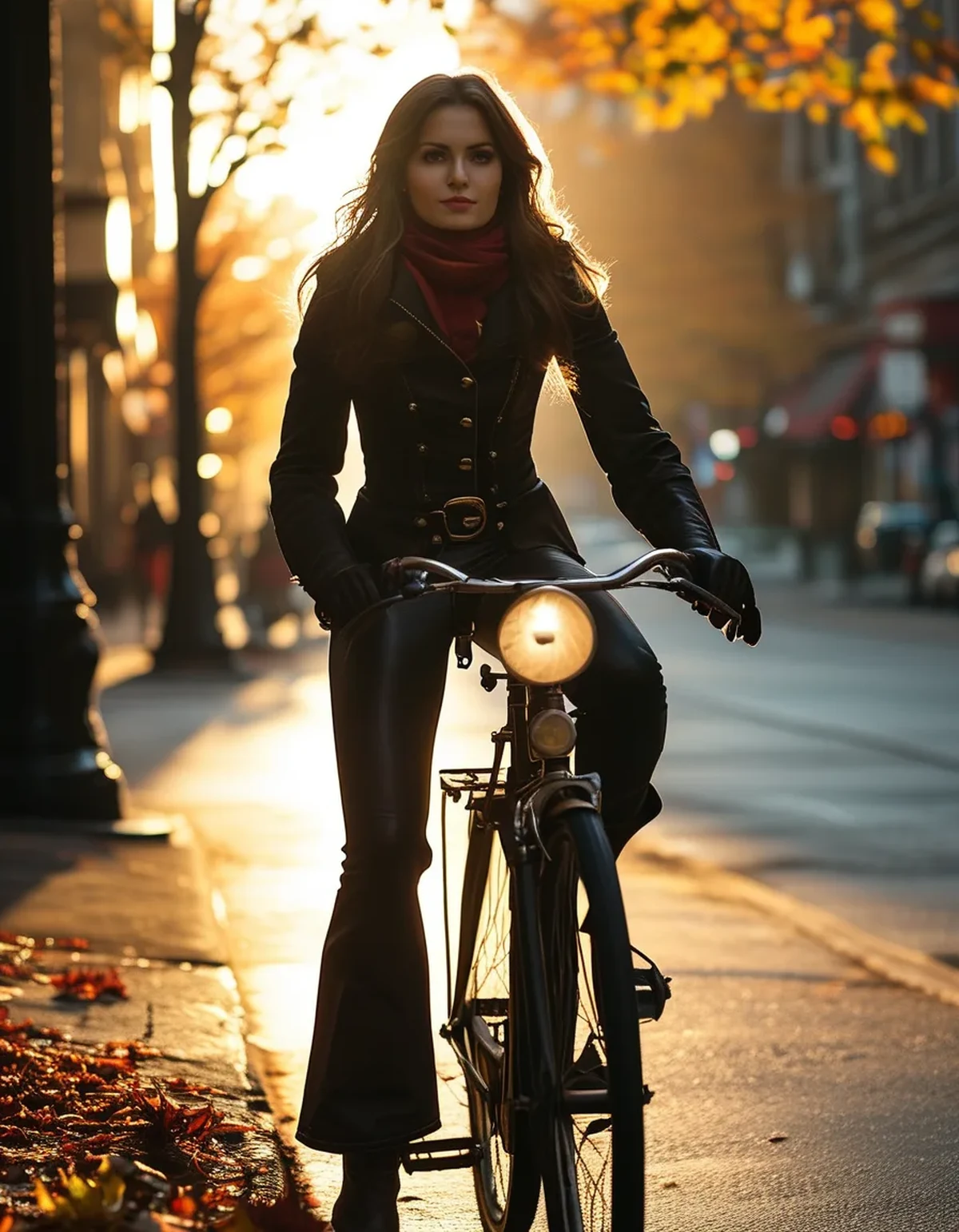
What actually goes wrong with a wide hem on a bike?
Three things, and they are not equally serious.
The chain and chainring is the real risk. The right-hand crank and chainring rotate at speed with the hem in reach on every downstroke. Fabric caught in a chainring can jam the drivetrain, which at best means a torn hem and at worst means a sudden stop with your foot attached.
This is not a hypothetical. It is the reason cycling clothing has been narrow at the ankle for a century, and it is the one thing on this list worth engineering around properly.
Wind and flapping is the comfort problem. A wide hem catches air and flaps against the leg, which is noisy, mildly draggy, and irritating over a long ride. It also pulls the fabric down, so a hem that sat correctly standing rides differently at speed.
Water is the autumn problem. A wide hem sits closer to the rear wheel’s spray path and to puddle splash from the front. Wide fabric wicks water upward, so you arrive with the hem soaked from the bottom up rather than merely damp.
And a fourth that people discover the hard way: chain grease. Even without catching, a hem that brushes the chain picks up grease, which is one of the more difficult stains to remove from a knit fabric.
Note that the risk is asymmetric. The drive side is the right leg on almost every bike, so the left leg needs almost nothing and the right leg needs a solution.
What are the actual solutions?
Four, in order of how well they work.
1. An ankle strap or clip on the right leg. The standard cycling answer and it is standard for good reason. A reflective velcro strap costs very little, takes two seconds and completely removes the chainring risk. It also stops the flapping.
The aesthetic objection is real and the strap is under the hem where nobody sees it on a wide leg, unlike on a narrow one.
2. A hem that clears the crank entirely. A shorter flare that ends above the ankle bone has nothing in reach of the chainring. This is the version that needs no accessory and works if you own a cropped flare.
3. Tuck into a boot. A tall boot with the hem inside removes the problem completely. The flare then sits over the boot shaft rather than beside the crank, which also solves the water issue.
Worth noting this changes the look substantially - it reads as a boot outfit rather than a flare outfit.
4. A chain guard on the bike. The permanent fix, and the one nobody considers. A full or partial chain guard on a commuter bike removes the risk for every garment you will ever wear, and most European city bikes come with one as standard.
What does not work: rolling the hem up. It unrolls at exactly the wrong moment, and a partially unrolled hem is worse than a full one because it is stiffer and catches more readily.
Also not a solution: riding carefully. The catch happens during a normal pedal stroke, not during anything you would notice yourself doing.
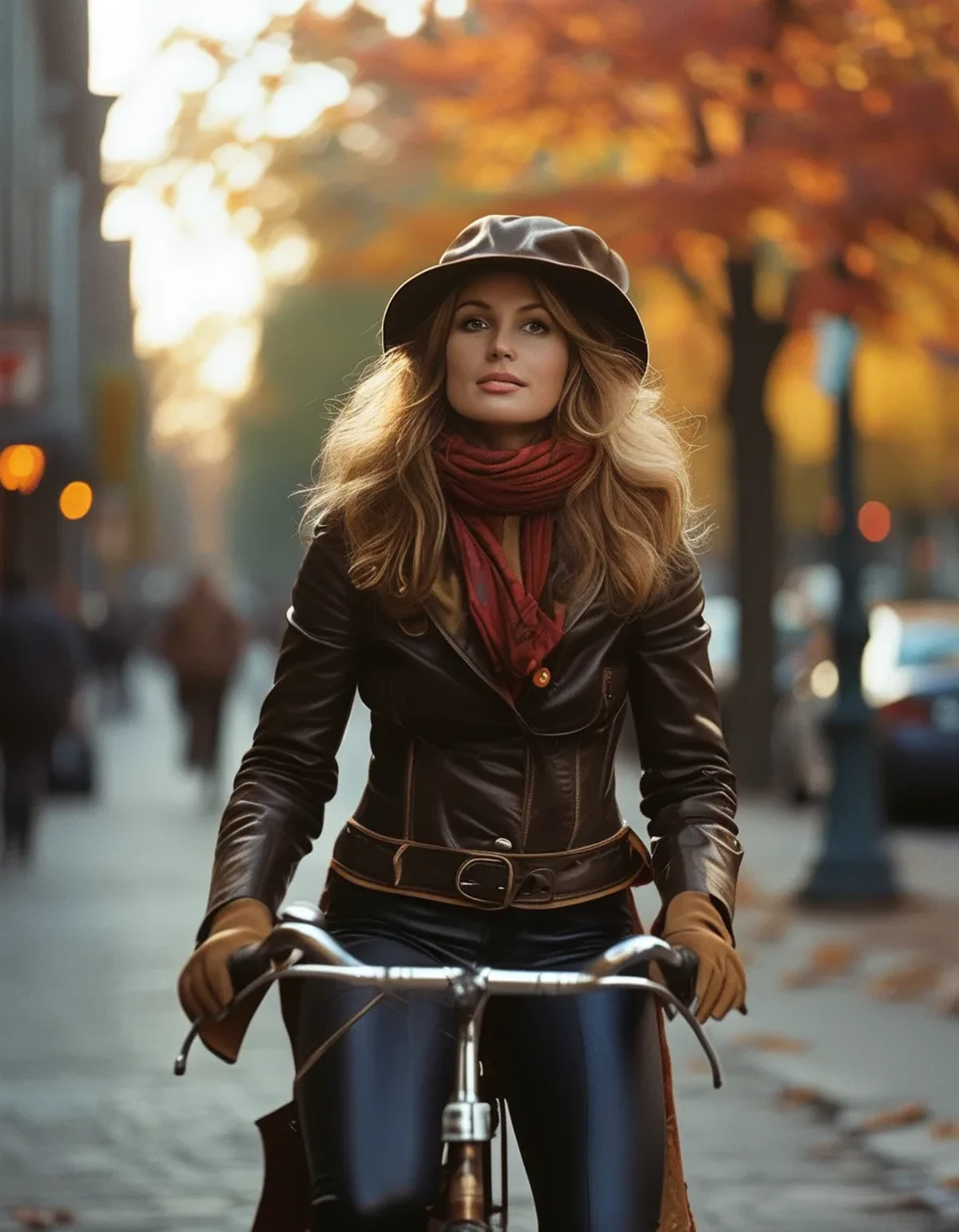
What about the autumn version specifically?
Water and cold change the calculation.
Wet roads plus a wide hem is a genuinely miserable combination. The hem picks up spray from the road and wicks it upward, and a soaked hem in cool weather stays cold against the ankle for the rest of the day.
What helps:
- Mudguards, which are the single most effective change and benefit every outfit you own. A rear mudguard and a front flap eliminate most road spray
- A boot the hem sits over, which keeps the wicking point above the wet zone
- Synthetic rather than cotton-blend flares, which dry considerably faster if they do get wet
On cold: a wide hem admits air at the ankle, which is the coldest part of a bike commute because it is exposed and moving fastest relative to the air. An ankle strap doubles as a partial seal here, which is a small bonus.
A combination that genuinely works for autumn commuting: a cropped flare, a boot with the hem sitting over it, mudguards, and a reflective strap on the right ankle anyway. It handles the chain, the water, the cold and the visibility in one setup.
And on visibility, since autumn commutes get dark: reflective ankle straps are more visible than reflective anything else, because the up-and-down motion of pedalling is what catches a driver’s eye. This is a genuine safety point rather than a styling one.
5 Mistakes Commuting in Flares
1. Assuming it is fine because it looks fine standing still. The hem’s position at rest tells you nothing about where it goes on a pedal downstroke. Check it seated on the bike with the crank at the bottom.
2. Rolling the hem instead of securing it. Rolled fabric unrolls under wind and movement, usually at the least convenient moment, and a half-unrolled hem catches more readily than a loose one.
3. Only protecting one leg and picking the wrong one. The drive side is the right leg on virtually every bike. If you are only using one strap, that is the one.
4. Skipping mudguards. They are the cheapest upgrade with the biggest effect on autumn commuting, and they benefit every garment rather than one pair of leggings.
5. Ignoring chain grease until it is set. Grease on a knit fabric is much easier to treat immediately than after a wash cycle has heat-set it. Treat the mark before washing rather than after.
A sixth for the darker months: choosing a strap without reflective material. Ankle-height reflectives are the most visible thing you can wear on a bike because of the pedalling motion. Same accessory, considerably more useful version.
FAQ: Cycling in Flare Leggings Questions, Answered
Is it actually dangerous or just annoying?
The chainring catch is a genuine hazard - fabric jamming the drivetrain can stop the bike suddenly with your foot on the pedal. The flapping and the water are comfort problems. Treat the chain risk seriously and the rest as preference.
Which leg needs the strap?
The right, on almost every bike, since that is the drive side where the chain and chainring sit. The left leg has nothing to catch on and needs nothing beyond a reflective element for visibility.
Can I just tuck them into socks?
It works for narrow hems and rarely holds on a wide flare - there is too much fabric and it works loose within a few minutes. A strap or clip is more reliable and quicker.
What about an e-bike or a bike with a chain guard?
A full chain guard removes the risk entirely, which is why city bikes designed for everyday clothes have them. If your bike has one, the flare hem is a comfort question rather than a safety one.
How do I get chain grease out?
Treat it before washing, with a degreasing dish soap worked into the mark and left for a few minutes. Washing first tends to set it, and heat from a dryer sets it permanently.
Are cropped flares a better commuting choice?
Yes, meaningfully - a hem ending above the ankle bone is out of reach of the chainring entirely and sits above most road spray. It is the version that needs no accessory.
TL;DR:
- The chainring catch is the real risk; flapping and water are comfort problems
- The drive side is the right leg on nearly every bike - that is the one to secure
- A reflective ankle strap solves the chain risk, the flapping and night visibility in one item
- Cropped flares clear the crank entirely and need no accessory
- Mudguards are the cheapest autumn upgrade and benefit every outfit
- Rolling the hem does not work - it unrolls under wind and catches worse
- Treat chain grease before washing, never after
Check where the hem sits with the crank at the bottom, seated. That one look tells you whether you need a strap.
See It in Motion
Seen here: Super High Waist Embossed Yoga Leggings with Inner Pocket — shop it on bubblelime.com
Keep Reading
This article is for general informational and styling purposes only. Fit, sizing, and product availability may vary.