What a Week in a Carry-On Actually Does to a Flare Hem
Quick Answer: A flare hem creases where the fabric is widest and least supported, so folding leggings flat puts a hard line across exactly the part of the leg you want to hang smoothly. Roll them instead, from the waistband down, with the legs stacked rather than folded across - and put them near the top of the bag where nothing compresses them. If the crease has already set, ten minutes hanging in a steamy bathroom recovers most knit flares without an iron.
A flare is a shape held by drape rather than by structure. Compress it under a week of luggage and the shape is what you lose.
The good news is that knit fabric forgets creases faster than woven fabric does.

Why does the hem crease and not the rest of the leg?
The flare is the widest, least-tensioned part of the garment. Through the thigh and knee, the fabric is under some stretch even folded. At the hem it has nothing holding it, so it folds like paper.
Folding flat puts the crease line horizontally across the widest point, which is the most visible possible place for it. It also runs perpendicular to the drape you are trying to preserve.
Pressure and time set the crease, not the fold itself. A folded pair on top of a bag for two hours is fine. The same fold under six kilos of luggage for a week is a different outcome.
Synthetic knits hold creases in proportion to heat. A bag in a hot boot or an aircraft hold that warms and cools sets the shape more stubbornly than a bag kept at room temperature.
Heavier flares crease less. A thicker, denser knit resists folding and recovers faster; a lightweight summer-weight flare is the one that arrives visibly marked.
And the seam is the giveaway. If you look at a badly packed flare, the crease is sharpest where it crosses the side seam, because that is the thickest, most compressible point.
The rolling method that actually works
Lay them flat and smooth the legs first. Any wrinkle you leave in at this stage becomes permanent under compression - thirty seconds of smoothing does more than any packing gadget.
Stack the legs exactly on top of each other rather than folding one across the other. A leg folded sideways creates a diagonal crease that is far harder to recover than a straight one.
Roll from the waistband down toward the hem, firmly but not tightly. Rolling toward the hem means the widest fabric ends up on the outside of the roll with the largest radius, which is the gentlest curve available.
Do not roll the hem into the centre. A hem at the core of a tight roll gets the sharpest bend and the most pressure, which is precisely the crease you are trying to avoid.
Place the roll near the top of the bag or along one side, not under shoes and books. Compression is the variable that matters most.
If you are packing several pairs, roll them together as one bundle. A thicker roll has a larger radius and creases less than three thin ones, and it takes up the same space.
And leave the waistband unfolded if you can. A folded elasticated waistband recovers fine, but a folded, compressed one for a week can leave a ripple that shows through a fitted top.

Recovering a hem on the road without an iron
The steamy bathroom method fixes most knit flares. Hang them on the back of the door, run a hot shower for five minutes with the door closed, then leave them another ten. The heat and moisture relax the fibre and gravity does the rest.
Hang from the waistband, not folded over a rail. Folding over a rail to save space creates a second crease exactly where you did not want one.
Add weight if the crease is stubborn. Clipping the hem with trouser hangers, or simply putting them on and walking around for twenty minutes, applies gentle tension in the right direction.
Damp hands work in a hurry. Lightly wetting your palms and smoothing along the crease, then leaving them hanging for a few minutes, takes the edge off a light mark.
Avoid hotel irons on synthetic flares unless you have a cloth. Most performance knits scorch or go shiny at cotton settings, and the shine is permanent in a way the crease is not.
Give it time before you judge. A crease that looks unrecoverable straight out of the bag is often gone an hour after hanging, and most people iron something that was going to fix itself.
What Nobody Tells You About Travelling in Flares
They are the best travel-day trousers you own and the worst thing to sit in for nine hours. The width that makes them comfortable to walk in is also what catches under a seat and around your ankles when you stand up in a narrow aisle.
Security is faster in flares than in skinny jeans - no belt, no rigid waistband, nothing that needs adjusting - but a long hem is genuinely a trip hazard on escalators with luggage.
The hem picks up everything on an airport floor. A flare hem sweeps a wider path than a straight leg, and airport carpet is not clean. Darker colours are the practical travel choice for reasons that have nothing to do with style.
Cabin humidity dries out knit fabric, which is why they can feel slightly stiffer and staticky on arrival. This resolves within a few hours and is not damage.
Wearing the bulkiest pair and packing the thin ones is the standard advice and it is wrong for flares. The bulky pair takes up the least space when rolled; the lightweight pair is the one that arrives creased. Pack the heavy one and wear the light one.
And the hem gets shorter on a plane. Fabric relaxes and stretches slightly through a long flight, which is why a hem that cleared the floor at home drags a little at baggage claim. It recovers after a wash.
FAQ: Packing Flare Leggings, Answered
Should I roll or fold flare leggings?
Roll them, from the waistband toward the hem, with the legs stacked directly on top of each other. Folding flat puts a crease line across the widest, least supported part of the garment.
How do I get creases out without an iron?
Hang them from the waistband in a bathroom with a hot shower running for five minutes, then leave them ten more. Most knit flares recover fully. Wearing them for twenty minutes works too.
Where in the suitcase should they go?
Near the top or along one side, away from shoes and books. Pressure over time is what sets a crease, not the fold itself.
Can I iron performance fabric flares?
Only with a pressing cloth and on a low setting. Most synthetic knits go shiny or scorch at cotton temperatures, and that damage is permanent whereas the crease is not.
Do flare leggings actually work as travel trousers?
Yes for airports and walking, less well for long seated flights where the width catches around your feet. Darker colours are more practical given how much floor a flare hem sweeps.
TL;DR:
- The hem creases because it is the widest, least-tensioned part of the garment - folding flat marks it in the most visible possible place.
- Roll from the waistband down with the legs stacked, never with the hem at the core of the roll.
- Pack near the top of the bag; sustained compression is what sets a crease, not the fold.
- Ten minutes in a steamy bathroom recovers most knit flares - skip the hotel iron unless you have a pressing cloth.
- Pack the heavy pair and wear the lightweight one, which is the reverse of standard packing advice.
A flare is a shape held by drape, so protect the drape and the shape looks after itself.
See It in Motion
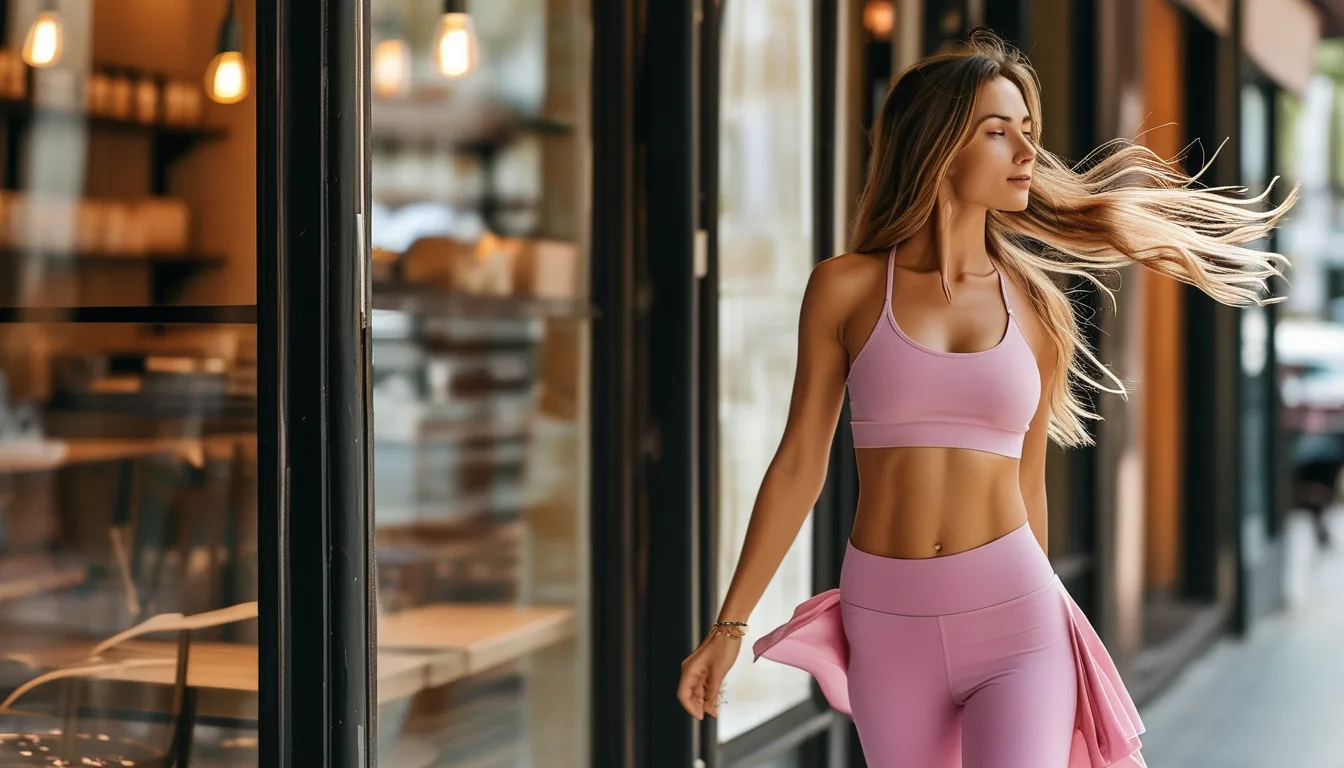
Seen here: High Waist Bootcut Yoga Pants with Hidden Pocket — shop it on bubblelime.com
Keep Reading
This article is for general informational and styling purposes only. Fit, sizing, and product availability may vary.